




April 10, 2008
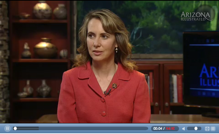
Giffords: U.S. should pull troops out of Iraq
Thursday, April 10, 2008
By Bill Hess
The Sierra Vista Herald/Review
WASHINGTON – The United States has to force the hands of Iraqi politicians, and that means pulling America’s armed forces out of that country sooner rather than later.
That is the view of U.S. Rep. Gabrielle Giffords, retired Army chief of Staff Gen. John Wickham Jr., and retired Air Force Maj. Gen. Donald W. Shepperd.
In a telephone press conference with the trio, Democrat Giffords, who represents Southern Arizona and whose district includes two military installations – Fort Huachuca and Davis-Monthan Air Force Base – said she carefully listened to Gen. David H. Petraeus and U.S. Ambassador to Iraq Ryan Crocker who testified Wednesday before the House Armed Service Committee, of which she is a member.
Petraeus, the architect of the surge in Iraq, and Crocker also testified before the Senate Armed Services Committee on Tuesday where they recommended a reduction in some of the American forces in Iraq through July and then a wait-and-see period before any more troops leave.
While praising both men for their dedication, the congresswoman said the military, particularly the Army, is close to the breaking point because of the constant deployments and not having long enough rest periods at a home station.
As it is, soldiers are getting about a year between deployments, when it should be three years, she said.
The time at a home station is needed for training and for soldiers to have a better understanding of what may face them by being instructed in such things as cultural awareness, part of Fort Huachuca’s program, the freshman representative said.
As for the American Army, “the war in Iraq has pushed it to the brink of breaking,” Giffords said.
Wickham, who now calls Tucson home, said he agrees 100 percent with the congresswoman’s take on the Iraqi situation.
“The Army, in my humble opinion, is almost broken,” the retired general said.
Shepperd, a television military analyst, said while he too agrees, there are other considerations that have to be part of any decisions. He also lives in Tucson.
While he said Petraeus’ idea of taking a pause is a good military operational tactic, the retired two-star general said it cannot be a long one.
However, decisions have to include a sense of reality, and some of those equations are the “the American public is weary of the war, and the military is stressed,” Shepperd said.
What the congresswoman and the two generals also said is action has to be taken to force the hand of the Iraqi government to do more instead of using America’s military presence in their country as a crutch.
What is best for the United States is to tell the Iraqis that America’s military is leaving, and they will have to defend their own nation, the congresswoman commented.
Right now the Iraqi leaders are wearing blinders, and that problem is also seen within some of the American government.
The United States has taken its eyes off the real threat, which is Afghanistan, where the Taliban are once again an increasing threat, and al-Qaida is becoming more of a problem in Pakistan as well, Giffords said.
“We can’t concentrate solely on Iraq,” she said.
But all three said the U.S. will have to have some kind of presence in the Middle East.
Shepperd noted the United Nations mandate on Iraq concludes at the end of this year, and that will be a good time to push the Iraqi government to take care of itself, he said.
“Iraq doesn’t want us there beyond the mandate anyway,” Shepperd said.
U.S. forces already have installations in Kuwait, Bahrain and Qatar, and that is where America’s military presence can be concentrated to respond to regional problems, he said.
Giffords said she and others in the American government do not want to see Iraq fail.
“We want Iraq to be a success,” she said, adding that America is walking on a tightrope when it comes to how that country is being handled.
The best thing to do is “Iraqize the war, and they can solve it if they want to,” she said.
And, yes, there will be violence when the United States leaves, but it will have to be the Iraqis who decide how to handle that problem.
By keeping American forces in that country “we are enabling Iraqis not to make decisions,” Giffords said.
Click here to read the article on the Sierra Vista Herald/Review website