Arizona Lawmaker Questions Border Patrol Strategy
Tuesday, September 21st, 2010<table><tbody><tr><td colspan=”2″ width=”70%” align=”left” valign=”top”>by Mickey McCarter
Homeland Security Today</td></tr><tr><td colspan=”2″ valign=”top”>Monday, 20 September 2010</td></tr></tbody></table><em><strong>Focus on urban areas seems to leave rural routes unguarded, Giffords says</strong></em>
The state of Arizona has a 370-mile international border with Mexico.
To secure that border, US Border Patrol has deployed roughly 3,600 agents to the state out of a total of about 20,000 agents nationwide. Yet the area surrounding Tucson, Ariz., continues to see the nation’s highest rates of illegal immigration, drug smuggling, and border violence.
On the face of it, then, it would seem that Border Patrol has 10 agents for every mile of Arizona’s international border. But it doesn’t really work that way. Border Patrol agents have numerous other responsibilities and they patrol within 100 miles of the border. They also have concentrated their forces in urban areas, according to the Border Patrol National Strategy, last revised in 2007.
To combat smuggling on the US southwestern border, Border Patrol will “deter or deny access to urban areas, infrastructure, transportation, and routes of egress to smuggling organizations through checkpoints, intelligence-driven special operations, and targeted patrols,” among other measures, the strategy says.
The deployment of Border Patrol agents in Arizona has led one of its members of Congress to question whether Border Patrol operations are as effective as they could be.
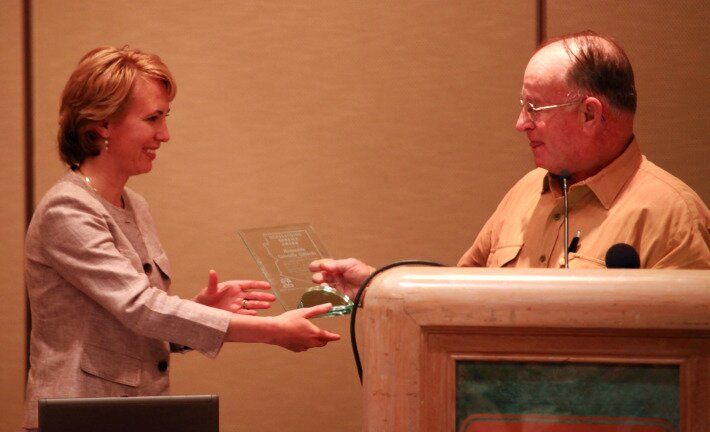
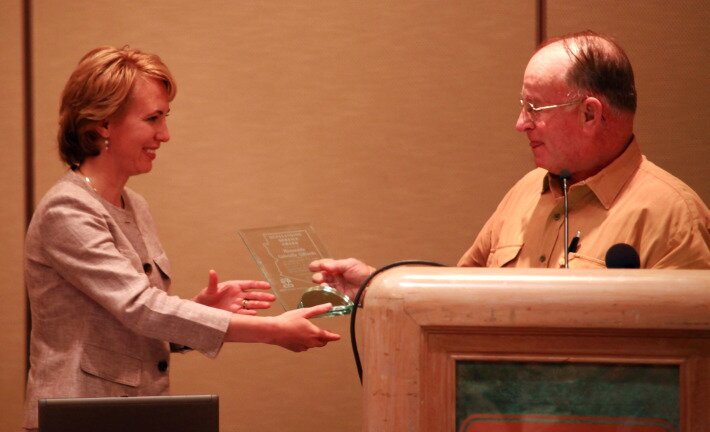
Rep. Gabrielle Giffords (D-Ariz.) initiated a request to congressional investigators at the Government Accountability Office (GAO) last month to examine the problem to determine if Border Patrol were neglecting rural areas, where illegal immigrants have continued to stream into the United States and where Arizona ranchers have seen escalating violence and property damage.
“Despite the statements by some that our border is more secure than it ever has been, legitimate and serious questions have been raised by Southeastern Arizonans about the Border Patrol’s deployment strategies,” Giffords explained in a Sept. 15 statement on the request. “The men and women I represent need to know that our nation’s limited border security resources are being used in the most effective way possible, especially in the rural parts of Cochise County. This is why we are asking for an independent review of Border Patrol deployment decisions.”
Giffords was joined by Rep. Bennie Thompson (D-Miss.), chair of the House Homeland Security Committee, in requesting specifically that GAO take a look at how Border Patrol deploys agents across Arizona. They sought to compare this to how Border Patrol agents are deployed in other southwestern states.
They further asked how Border Patrol strategies for the deployment of agents have increased the rate of apprehensions of illegal immigrants or smugglers in both urban and rural areas in Arizona as well has what actions has the agency identified to obtain operational control of the Arizona border.
Finally, they asked GAO to examine how Border Patrol reconfigures the deployment of its agents in response to spikes and drops in illegal activity along the border.
“Despite significant increases over the past five years in the number of Border Patrol agents and assets deployed to the southwest border, Border Patrol’s Tucson Sector continues to be the primary entry point for illegal immigrants and drug smugglers,” the lawmakers wrote in their letter, dated August 26. “Ranchers and residents in rural areas in particular report an increase in burglaries, home invasions, cut fences, broken water lines, and threats. Recent violence against US citizens in rural areas, apparently committed by smugglers, has added to these concerns.”
The Department of Homeland Security (DHS) has long recognized that the Tucson sector has become the domination flashpoint for border smuggling and illegal entry into the United States. As DHS has increased Border Patrol agents since 9/11, it has focused the increase on the US southwest border in general and Arizona in particular.
On August 13, President Barack Obama signed a border security supplemental appropriations bill (Public Law 111-230) that funds an additional 1,000 Border Patrol agents, many of which would go to Arizona.
A current one-year deployment of National Guard troops to the southwestern border to support Border Patrol also has allocated the greatest number of Guardsmen to Arizona, which received 524 out of 1,200. Troops went to California, New Mexico, Arizona, and Texas.